Table of contents
Airport queues are back, but so is a quieter counter-trend, and it is shaping where people go in 2026. After years of “see it all” itineraries, more travellers are choosing fewer stops, longer stays and lower friction, a shift often described as slow travel. The change is visible in airline scheduling, hotel occupancy patterns and even tourist taxes designed to curb day-tripping, and it is forcing destinations to compete less on hype and more on liveability.
Less checking in, more settling down
What if the trip starts on day three? That is the question driving a growing share of travel planning, as travellers trade multi-city sprints for stays long enough to learn neighbourhood rhythms. Data points in that direction: the World Tourism Organization (UN Tourism) has described the post-pandemic recovery as a “return to travel” that increasingly mixes leisure with longer-duration trips, and platforms tracking short-term rentals have repeatedly reported an elevated share of bookings in the 7 to 28-night range compared with pre-2020 patterns, especially in large cities and coastal regions where remote work is easiest to sustain.
The economics of this shift are straightforward, and they matter to destination choice. When flight prices remain volatile and baggage fees keep creeping up, adding extra legs is no longer a harmless indulgence. Travellers are also responding to the hidden costs of speed: missed meals, extra transfers, jet lag and the familiar feeling of having “done” a place without having experienced it. Longer stays spread fixed costs across more days, they reduce intra-trip transport emissions and they make it easier to dodge peak-hour crowds by moving through a city like a resident, not a visitor. For destinations, the prize is clear: fewer one-night bookings, more midweek spending and travellers more likely to visit local shops because they are not chasing the next landmark.
Overtourism pushes travellers off the checklist
Crowds change behaviour, fast. In Europe, the signal is unmistakable: Venice has rolled out a day-tripper fee on selected peak days, Amsterdam has tightened cruise and tourist accommodation rules and several cities have moved to regulate short-term rentals, not to stop travel but to slow it down. These policies are partly about housing and quality of life, yet they also reshape what visitors perceive as “worth it”, because nobody dreams of a destination that feels like a bottleneck.
Slow travel thrives in that context because it flips the value proposition. Instead of trying to “beat” crowds, travellers pick places where crowd management is less of a daily problem, and they build their itineraries around time windows, neighbourhoods and public transport rather than headline attractions. That is why second cities and regional hubs are gaining visibility: think of travellers choosing Bologna over Florence for a week of food markets and day trips, or Girona as a base instead of Barcelona’s centre. Even within the same country, the calculus is changing, because destinations with fewer pinch points, better walking infrastructure and a strong local events calendar can offer a richer week than a famous capital can offer in 36 hours.
Long stays favour cities that “work” daily
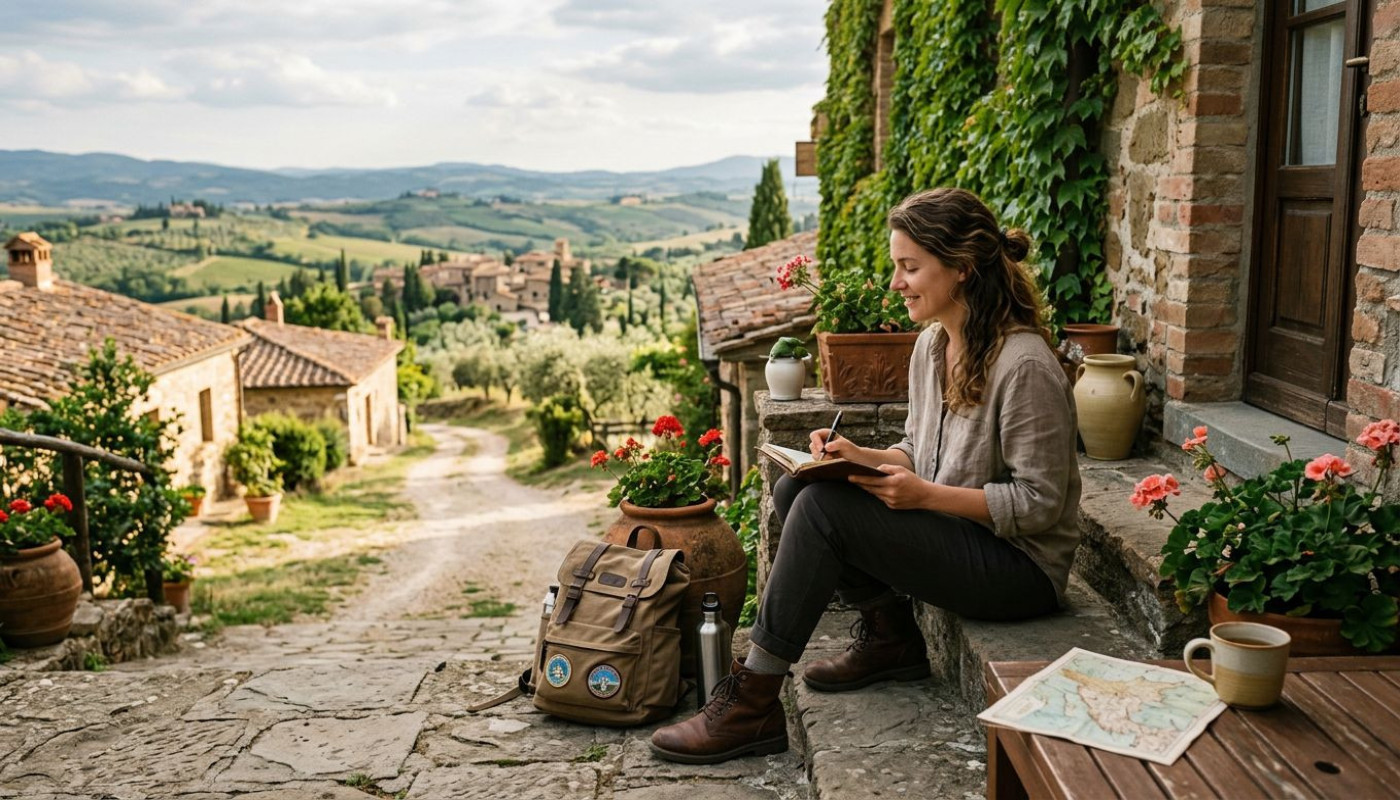
The romantic image of slow travel is a notebook and a café, but the practical requirements are much more concrete. Travellers staying ten days or a month care about everyday systems: transit reliability, healthcare access, safe streets at night and housing that is comfortable enough to live in, not just to sleep in. That is one reason why some destinations are rebranding around liveability, and why national tourism boards increasingly highlight public transport passes, neighbourhood guides and seasonal itineraries designed to spread visitors across the calendar.
Singapore is a useful case study for how “works daily” becomes a travel asset. For longer stays, the city’s compact geography, high-frequency transit and clear wayfinding reduce the friction that makes many urban trips exhausting. Add to that an evolving food and arts scene, a calendar anchored by major events and the ability to pivot quickly between nature, heritage districts and contemporary architecture, and it becomes easier to imagine spending a week without feeling the need to constantly “move on”. Travellers planning this kind of trip often start with practical, on-the-ground information, and resources such as https://www.singapore-spirit.com can help turn a vague intention into a workable slow itinerary, with neighbourhood angles that make longer stays feel purposeful rather than simply longer.
Climate and budgets make speed less attractive
Fast travel is getting harder to justify, and not only emotionally. Aviation remains a significant contributor to travel-related emissions, and while sustainable aviation fuels are progressing, they are not yet available at the scale that would make guilt-free multi-leg hopping the norm. At the same time, many travellers are dealing with a cost-of-living hangover, and travel inflation has not been evenly distributed: rail can be cheaper and more predictable on certain corridors, while domestic flights, add-on fees and last-minute hotel rates can push a short, high-intensity trip into luxury territory.
Slow travel fits the moment because it is an optimisation strategy as much as a philosophy. Fewer flights mean fewer opportunities for delays and cancellations, a point that resonates after several summers of operational strain across major hubs. Longer stays also unlock different price tiers: weekly rates in rentals, transit passes that actually pay off and museum memberships that make sense only if you are in town long enough to use them. Meanwhile, destinations responding to climate risk, from heat waves to wildfire seasons, are encouraging travellers to come in shoulder months and to stay longer once they arrive, because it spreads demand and reduces the pressure of peak-weekend surges. The result is a subtle but real reordering of “top destinations” lists, with weather resilience, infrastructure and seasonality becoming as important as Instagram fame.
How to plan a slow trip without overpaying
Start by choosing one base and two nearby day-trip options, then price the trip as a week, not as individual days. Book transport early if rail is the backbone, and check whether a city pass or weekly transit card makes sense. For budget relief, look for shoulder-season dates and local accommodation taxes, and in some countries, explore regional rail discounts or youth and senior schemes where eligible.
Similar
What Seasoned Travelers Wish They Knew Before Choosing A Destination
How A Simple Detour Can Reinvent Your Travel Itinerary

How Unexpected Destinations Redefine Your Sense Of Adventure
When Local Traditions Reshape Your Perception Of Popular Destinations

How Ethical Safaris Enhance Your Travel Experience?

Experiencing the magic of Tromso northern lights and outdoor adventures beyond the Arctic Circle in Norway

Exploring The Art Scene: A Guide To New York's Most Vibrant Street Art
