Table of contents
When the last museum doors close and the tour groups thin out, many of the world’s most visited cities quietly change character, and for travelers willing to rethink their evenings, the night can feel less like downtime than a second itinerary. From late-opening landmarks to neighborhood rituals that start after dinner, a growing number of destinations now court night-time visitors, partly to spread crowds and partly because demand is real: according to Booking.com’s 2024 Travel Predictions, 62% of travelers said they were considering “noctourism”, experiences designed around darkness, night skies, or after-hours culture.
After dark, the real city speaks
Who said the day shift owns the streets? In many tourist hotspots, the most revealing hours begin when the temperature drops, public squares empty out, and locals reclaim the pavements, and what looks like a familiar postcard by day becomes something more textured at night. Cities have leaned into that shift for practical reasons, too: the UN World Tourism Organization has repeatedly highlighted time-based dispersion as a way to ease pressure on saturated centers, and extending activity into the evening is one of the simplest levers. Visitors feel it immediately in places where daytime congestion blunts the experience, because a landmark viewed at 10 p.m. does not carry the same social friction as the same landmark at 10 a.m.
Consider how “after-hours” access has moved from niche perk to mainstream programming. The Louvre’s Friday night openings in Paris and the British Museum’s “Friday Lates” in London have long demonstrated the draw of culture without the daytime crush, and the model has been replicated across Europe, North America, and parts of Asia. Even when galleries are not open, civic life continues: night markets in Taipei, Seoul, and Bangkok remain among the most efficient ways to eat well and cheaply in tourist-heavy districts, and they provide a kind of informal anthropology, one that you cannot get from a guidebook’s checklist. The point is not simply that things are open late, it is that the city’s mood changes, and travelers who plan around that mood often get better photos, shorter lines, and richer conversations.
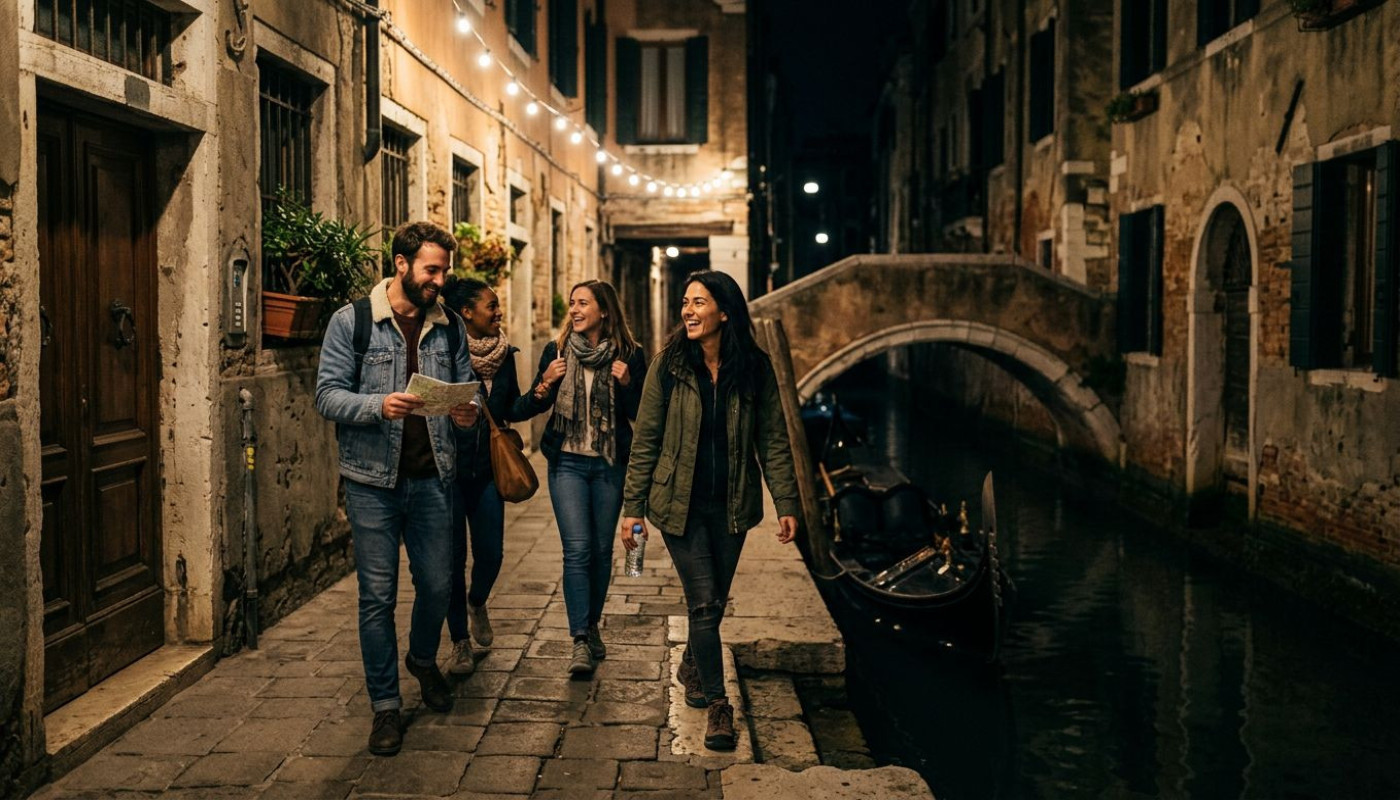
The most unconventional night activities are often low-tech and local, and they reward curiosity more than stamina. In Barcelona, it can mean stepping away from Las Ramblas to follow the sound of a neighborhood concert; in Rome, it can be a late passeggiata in Trastevere that turns into a lesson in how Italians actually socialize. In many places, the safest and smartest approach is to treat the evening like daytime travel, with the same basics: know your route, use well-lit corridors, and keep a clear threshold for when to call it. But for those who do it right, the payoff is a city that feels less performed, more lived, and often surprisingly welcoming.
Tourist centers, secret night rituals
Forget the obvious nightlife. The deeper layer of nocturnal travel is built around rituals that thrive in plain sight, yet remain invisible to most short-stay visitors because they start late, require patience, or do not advertise in English. In Kyoto, for example, the quiet around Gion after dinner can be more striking than the daytime spectacle, and in Istanbul, ferry rides across the Bosphorus in the evening reveal a daily rhythm that no daytime cruise can replicate. These are not “hidden” because they are forbidden, they are hidden because they do not fit the typical schedule of a tourist day that begins with breakfast and ends after a sunset viewpoint.
In heavily visited districts, night also becomes a practical workaround. Overtourism is no longer a buzzword; it is a measurable strain on housing, infrastructure, and resident tolerance in many destinations. The European Commission and numerous city authorities have discussed policies ranging from visitor caps to cruise restrictions, and while those debates continue, travelers can make immediate micro-choices that reduce friction, such as shifting dining times, choosing late entries, or exploring peripheral neighborhoods after dark when they are lively but not overwhelmed. It is not virtue-signaling; it is simply a smarter way to move through a crowded place, and it often produces better memories.
Unconventional does not have to mean extreme. A night-time food crawl designed around one signature dish can be more revealing than a bar tour, because it forces you to map a neighborhood the way residents do, choosing one address for dumplings, another for dessert, and perhaps a final stop for tea. Likewise, late public transport, where it is safe and reliable, can become an activity in itself, a rolling cross-section of the city rather than a logistical necessity. The key is to look for spaces where locals linger: waterfront promenades, plazas, steps outside theaters, and small parks that turn into evening meeting points. In tourist centers, those spaces can sit one street away from the souvenir corridor, and yet feel like a different world.
Stargazing meets streetlife in Peru
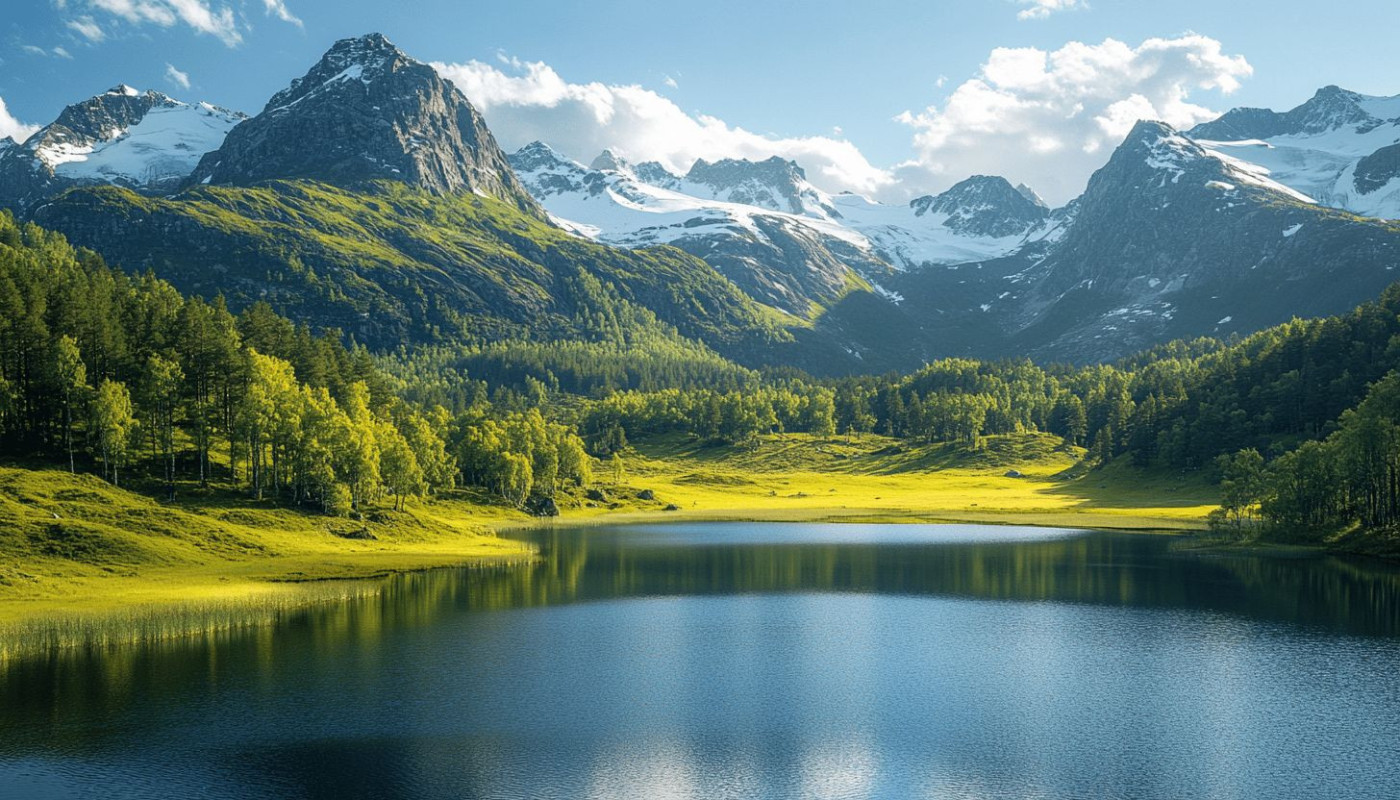
Night in Peru can be astonishing. The country sits at the intersection of high-altitude skies, coastal desert clarity, and deep cultural traditions that never treated darkness as empty time, and while most itineraries rush from Machu Picchu to the Sacred Valley and back to Lima, the evening hours can open a parallel Peru, one that feels both intimate and cinematic. Cusco’s stone streets quiet down after the day-trippers, and in the Andean highlands the thin air turns the sky into an event, with constellations sharp enough to make even casual travelers pause mid-sentence. It is a reminder that “noctourism” is not only about city lights; it is also about what you can only see when the sun leaves.
Some of the most unconventional night activities here are not marketed as nightlife at all. A late walk through Cusco’s historic center can become a lesson in how altitude changes the way you pace yourself, and how older cities store stories in their walls. In the Sacred Valley, evenings can be built around quiet experiences, such as listening to local music in small venues, visiting artisan communities that host intimate demonstrations, or simply stepping outside accommodation to watch the sky. The Peru of postcards is real, but the Peru that stays with people often arrives in quieter moments, when a plaza empties and a distant hillline becomes visible again.
Logistics matter, especially in regions where distances are long and roads can be winding. Travelers who want to weave night experiences into a Peru itinerary often benefit from planning that respects altitude acclimatization, transport timing, and safety, and that is where operators with local networks can make the difference between a beautiful evening and a stressful one. For those mapping out routes, permits, guides, and realistic travel times, practical information is available via https://www.peru-spirit.com, a useful reference point when you are trying to connect classic highlights with less obvious after-dark moments without losing time to guesswork.
How to do it safely, not blindly
Adventure is fun until it becomes improvisation. The fastest way to ruin an evening in an unfamiliar hotspot is to treat night as a lawless add-on, rather than a different operating environment with its own rules, and the basics are unglamorous but decisive. Start with timing: check closing hours, last metro departures, and ride-hailing availability, and build your plan backward so you are not forced into expensive, risky, or simply exhausting decisions at the end of the night. In many cities, the safest neighborhoods are also the best-lit, best-connected ones, but “touristy” is not a synonym for “safe”, especially around transport hubs where petty crime can concentrate.
Budgeting is another form of safety. Late-night taxis, surge pricing, and spontaneous entry fees can turn a cheap evening into a costly one, and once money feels tight, people make worse choices. A simple approach works: decide your ceiling for transport, keep a backup option, and avoid carrying more cash than you need. If you are traveling with others, agree on a regroup point and a cut-off time, because the biggest night-time problems start when plans dissolve. For solo travelers, sharing your live location with a trusted contact and sticking to main routes is not paranoia; it is modern travel hygiene.
Finally, understand the local night culture before you copy it. In some places, dinner begins late and public life peaks at midnight; in others, streets empty early and the only open doors belong to bars that cater to tourists. Ask staff at your accommodation where they would send a friend, not a customer, and you will often get better advice. A city’s best night experiences rarely require you to “go harder”, they ask you to go smarter, to watch more closely, and to respect that the most memorable travel moments can happen at a whisper, not a shout.
Your next evening, planned like a pro
Build night into the itinerary, and you gain time without adding days. Book late entries when they exist, set a transport budget before you go out, and keep one backup route to get home. In some destinations, local guides and organized evening tours can reduce risk, and help you secure permits or timings that independent travelers miss.
Similar
Surprising Mistakes Travelers Make When Planning Active Adventures
Missing Out Or Diving In? How Unique Tickets Unlock Authentic Travel
What Seasoned Travelers Wish They Knew Before Their First Solo Trip
From City Streets To Wild Trails: Decoding The New Face Of Urban Excursions
Are Spontaneous Detours The Secret To Unforgettable Itineraries?